
Collagen peptides and gelatin enhance protein content, moisture retention, chew texture, and structural integrity in nutrition bars, protein cookies, and baked snacks, with stable shelf performance.
Enhancing protein content and mouthfeel in on-the-go products
Collagen peptides and gelatin bring unique textural and nutritional benefits to snack formulations. They enhance protein content, improve moisture retention, and deliver satisfying chew characteristics to nutrition bars, protein cookies and baked snacks, all while maintaining excellent shelf stability.
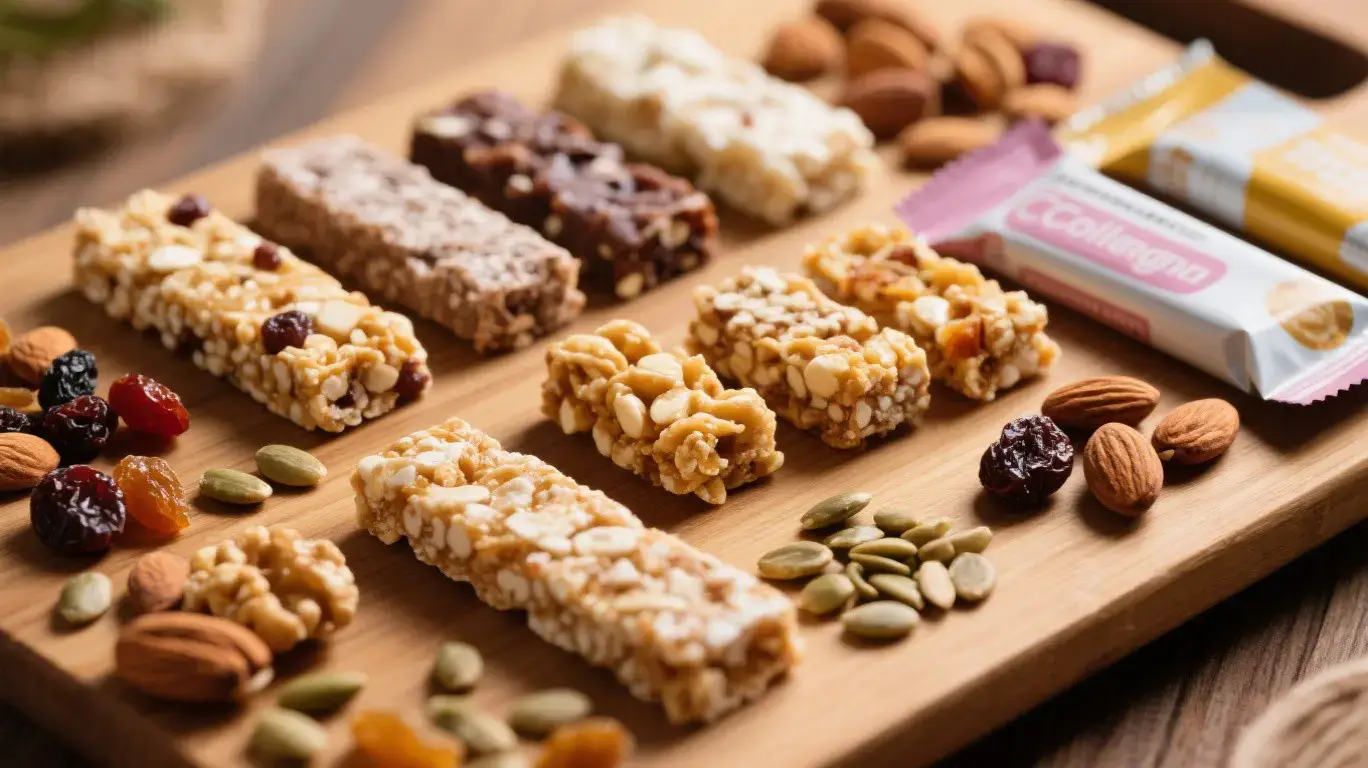
90%+ protein for nutrition-packed formulations
Extended shelf life with improved softness
Superior chew and mouthfeel in bar products
Reduced breakage and improved structural integrity
Functional proteins & binders for nutrition bars, energy snacks and fruit snacks
High purity bovine collagen peptide serving as protein fortifier. Improves binding performance, reduces crumbling and optimizes shelf stability in protein and energy bars.
Ideal for: Protein bars, energy bars, functional snack bites
View DetailsVegan-friendly hydrolyzed pea peptide with mild flavor profile. Perfect for clean-label plant snack bars and allergen-friendly functional snacks.
Ideal for: Vegan nutrition bars, plant-based fruit snacks
View DetailsFood-grade bovine gelatin with adjustable bloom strength. Creates flexible, chewy texture for fruit leather bites, mini gummy snacks and layered snack products.
Ideal for: Fruit snacks, gummy bites, layered confection snacks
View DetailsRecommended addition rates and processing parameters for snack and bar applications
| Product Type | Recommended Dosage | pH Range | Processing Temp. | Mixing Method | Key Function |
|---|---|---|---|---|---|
| Protein Bar | 5–15 g/100 g | 5.5–7.5 | 60–90°C (melt-in) | Blend into syrup phase | Protein, binding, texture |
| Granola / Cereal Bar | 3–8 g/100 g | 5.0–7.0 | 70–85°C (binder syrup) | Dissolve gelatin in syrup | Binding, reduced breakage |
| Protein Cookie | 8–20 g/100 g flour | 6.0–8.0 | Ambient → Bake 180°C | Cream into dough | Moisture, softness |
| Energy Bite / Ball | 5–10 g/100 g | 5.5–7.0 | Cold process (no bake) | Mix into dry blend | Protein, binding |
| Snack Cake / Brownie | 3–8 g/100 g batter | 6.0–7.5 | Bake 160–190°C | Hydrate then fold in | Moisture retention |
Key steps for integrating collagen and gelatin into snack and bar production
For bar applications, dissolve gelatin (200 bloom) in the warm syrup phase at 70–85°C before combining with dry ingredients. Collagen peptides can be added directly to the syrup at 50–60°C with gentle stirring until fully dispersed (2–3 min).
For no-bake energy bites and powder-based bars, blend collagen peptides directly with dry ingredients (oats, protein powders, cocoa) for 3–5 minutes before adding wet binders (honey, nut butter). Ensure uniform particle size distribution for consistent texture.
Maintain bar-forming temperature at 35–45°C for optimal sheet consistency. Cool formed bars to 4–10°C for 20–30 minutes before cutting. For baked products, collagen is stable up to 200°C; however, limit internal temperature above 100°C to prevent excessive Maillard browning.
Wrap bars in flow-wrap or foil packaging with <3% moisture barrier. Collagen-enhanced bars show 30–50% improved softness retention over 9-month shelf life vs. control. Store at ambient (15–25°C); refrigeration not required. Monitor water activity (aw 0.55–0.70) for textural stability.
International regulatory status and quality certifications for snack and bar applications
Recognized as GRAS by US FDA for use in nutritional bars and snack foods without dosage limitation
Collagen peptides classified as non-novel food in EU; gelatin approved as food ingredient (E-441)
Facility registered with US FDA as food manufacturing establishment (FCE number available)
Bovine collagen and gelatin certified Kosher (Pareve) by OU-accredited rabbinical authority
Explore other Food & Beverage application areas for cross-category product development
Food-grade gelatin and collagen materials for gummies, jellies, marshmallows and a wide range of confectionery products with customizable texture profiles.
Learn MoreHighly soluble collagen and plant peptides designed for clear functional drinks, wellness shots and ready-to-drink beverage formulas.
Learn MoreWe provide professional ingredient matching, formula optimization and customized solutions for various application scenarios to support your product development.